All in Investment

Answering the Money Questions Readers Email Me About

I’ve been hitting “reply” to as many emails as I can this week. If you write to me, I will write back, but due to the volume of emails I get, there is often a delay. I respond to every single email because the questions asked are so valid and important to the person doing the asking. Every email is different, weaving together a set of circumstances in a new way, so I provide a bespoke response that links to tools and resources to help answer the questions. While each is different, though, there are commonalities. Most of my emails give people a simple starting point and a rough map to follow, so I thought that, as we head for Christmas, a time when a lot of people do sit down and focus on money, this might help you head into 2026 more prepared.

Meet, Learn, Laugh: Your Guide to FI Retreats

Did you know there are retreats and conferences just for people chasing financial independence? Think of them as adult money camps - part learning, part laughter, part deep conversation (money and otherwise) with new friends. No, I’m not running one, nor selling one, but I’ve been lucky enough to attend a few, and they’ve been life-changing. People often ask how I find out about them and which ones are worth attending, so I’ve pulled together a list of some of the best upcoming events from New Zealand and around the world. Whether you’re just starting your FIRE journey or already FI and looking for your tribe, there’s something here for you.

Applying The Barefoot Investor in NZ - 2025 UPDATE

The content I’ve created on applying The Barefoot Investor book to New Zealand remains some of the most regularly viewed on The Happy Saver, with collectively close to 100,000 views. I continue to gift his book to others because I believe it’s a perfect guide to getting on top of your finances. If you were to combine his book with Rebel Finance School’s free online course, you could pretty much call yourself “financially literate.” Since The Barefoot Investor remains so popular, it's time for me to update the March 2020 blog post I wrote, so that all those people reading the book for the first time, as well as those following along with The Barefoot Investor principles, have a reliable New Zealand resource to turn to. 

What 220 Kiwi Net Worth Millionaires Told Us

Reaching a net worth of $1,000,000 is no small feat, it takes time, discipline, and a whole lot of intentional decision-making. I’ve been lucky enough to hear from over 220 Kiwis who’ve done just that, and they generously shared how they got there by filling out my Net Worth Millionaire Questionnaire. In this blog post, I used AI to analyse all of the responses, giving me a summary and highlighting the repeated themes across all submissions for each questionnaire question. The result? A fascinating look at how everyday New Zealanders are quietly building wealth. The beauty of becoming a millionaire is that, as you will see, there are many paths that lead to it. So, pick your own path, and enjoy the journey. Whether you’re just getting started or already on your way, I reckon you’ll find a few golden nuggets in what they had to say.

Mortgage or Investing? Why Not Both?

Andrea asked me this question, “Mortgage vs investments... One or the other, or both?”  With two young kids, a $240,000 mortgage, and an eye on the share market, she’s wondering if delaying investing to get rid of the mortgage is the best move, or if she’s missing out on valuable time in the market. As our KiwiSaver balances grow as a nation, plus people become aware of share market investing as a successful way to make money outside of housing, more people question whether putting additional payments towards their mortgage is the ‘right’ thing to do. Would they become wealthier if they reduced their mortgage payments and invested that money instead? The fear of missing out is real.

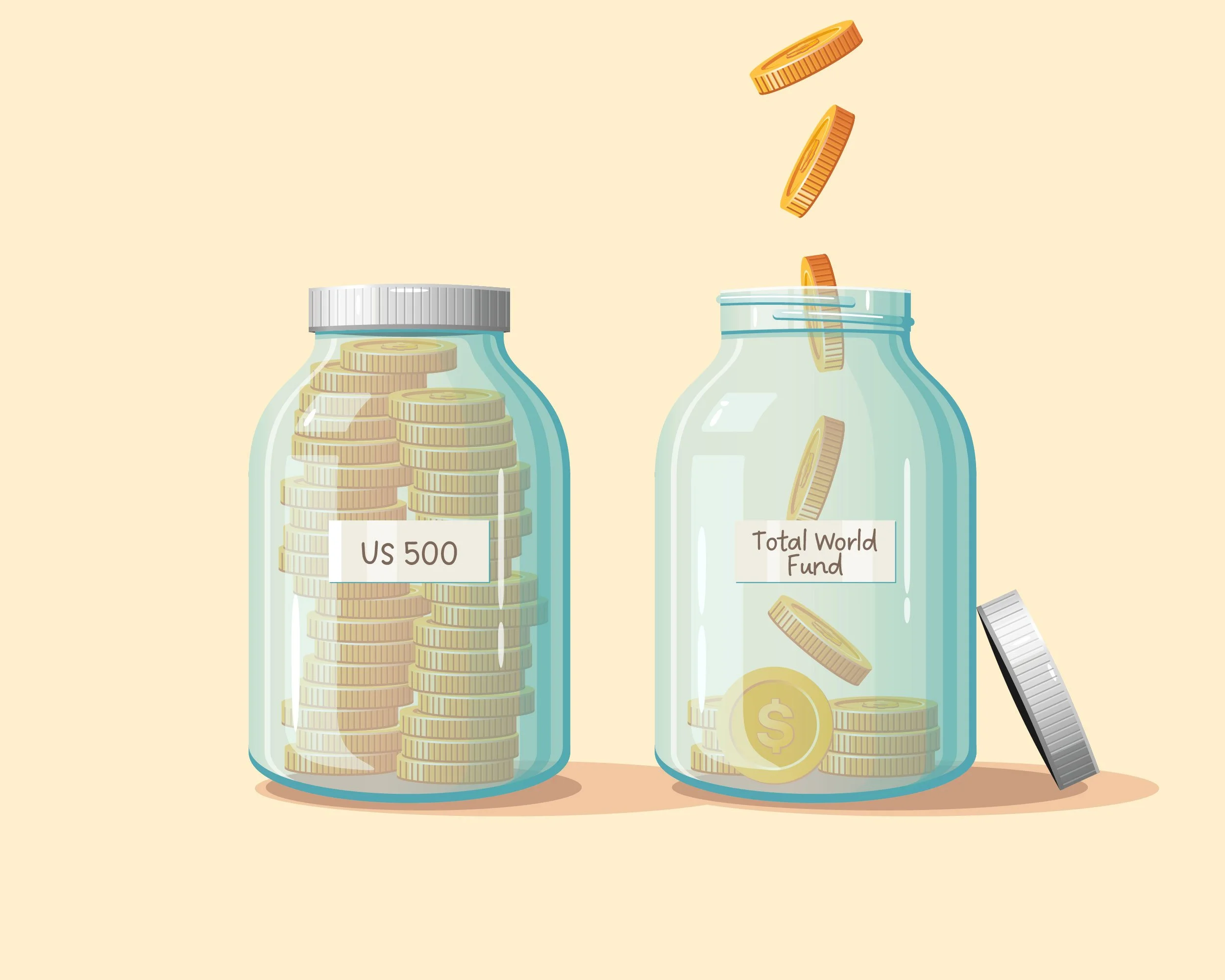
I have stopped buying the US 500. Well, sort of.

Managing our money is never ‘done’. I am constantly tweaking and adjusting. Whether for the little things like an increase in our weekly rates bill, or preparing for a bigger expense. Our income and costs are constantly in flux, and we need to keep monitoring and evolving with those changes. The time has come to tweak our investments. Which is why, once I was up and running with our new KiwiSaver provider, I turned my attention to our US 500 ETF and began researching whether we should also slightly adjust our direction with this investment.

Looking for a Friend to Chat Money With?

There’s no shortage of money advice out there, but sifting through it all can be exhausting. You can research endlessly, but much of what you find is complex, conflicting, or comes with a sales pitch. Sometimes, what you really need is a straightforward conversation with someone who isn’t trying to sell you anything—just a friendly kōrero about money. Over the years, I’ve had the privilege of being that person for many Kiwis looking for practical, no-nonsense financial information. Whether it’s answering emails, chatting in passing, or sitting down for a Phone A Friend, I love helping people gain clarity and confidence with their money. If you’ve ever wished you had someone to talk things through with, I’m happy to help. In fact, one of these conversations just last week inspired this blog post.

How much money do I need to have invested at 65?

It may be because my ears are finely tuned to anything money-related, but there seems to be increasing talk of saving for retirement. More specifically, people are not investing enough for retirement. Organisations are panicking on our behalf as they watch Kiwis nonchalantly wander their way to retirement, in many cases hopelessly unprepared, having barely given the financial side of stopping work a thought. I’m well ahead of the game here, as I’ve been thinking about—and financially planning for—our eventual retirement for years. I have a question for you. If you woke up tomorrow and found you were now 65 and would receive government superannuation but no longer worked, as your financial situation stands today, could you survive financially?

Hedged vs. Unhedged Investments: Which One Should You Choose?

Question: Ruth, could you help me understand how to choose hedged or unhedged when investing? This is one of the most frequently asked questions I receive. Investing can be confusing. Not only do you have to consider fund provider, fund choice, and fees, but I often hear from people who come unstuck when they also have the option to choose between selecting “hedged” or “unhedged” for some investment types. Warning: This blog will be boring, brief, but essential.